20251 SW Acacia Street
Newport Beach, CA 92660

How Does a Personal Loan Affect Your Credit Score?
Jun 4, 2026
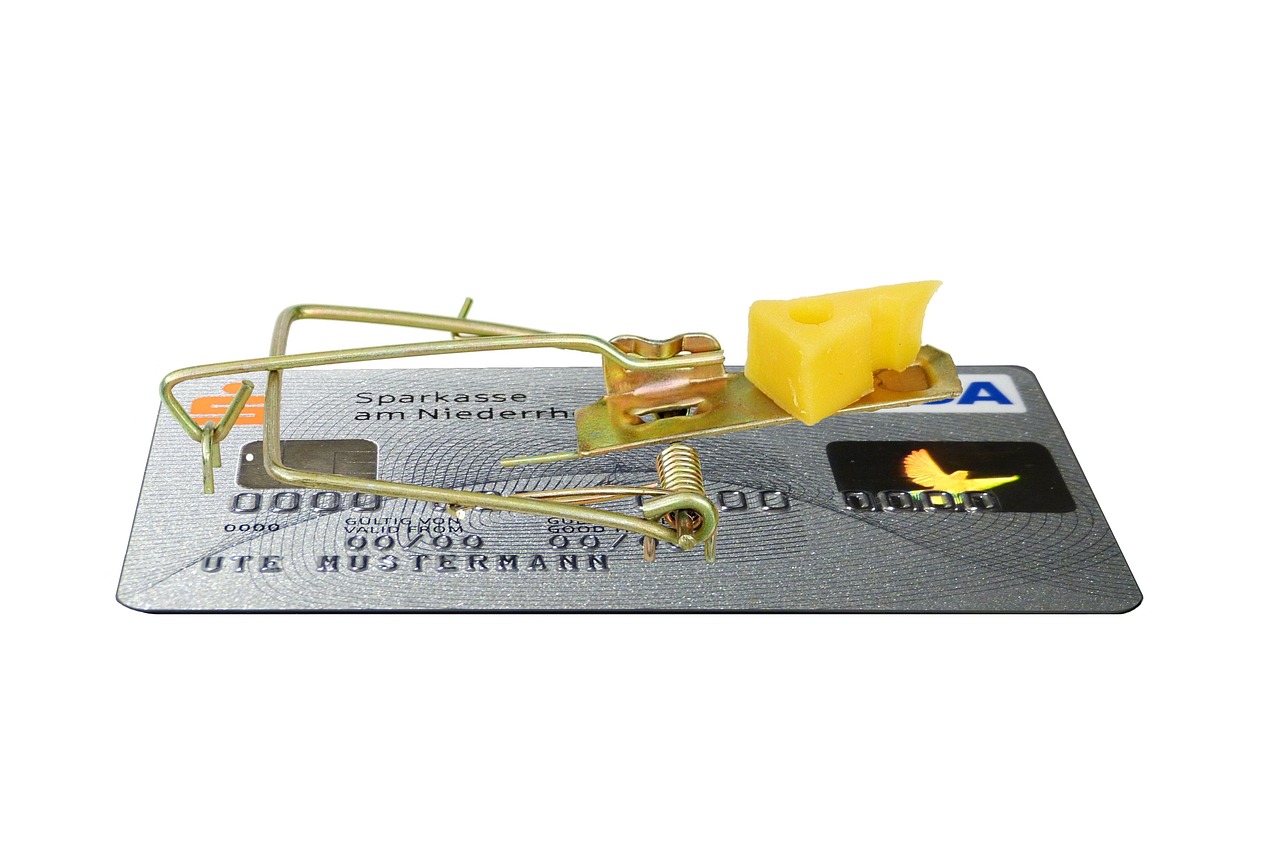
Worrying about your credit score before taking out a loan is completely understandable — and how it impacts your score is more nuanced than a simple yes or no. A lot depends on how you apply, how you manage the loan, and what your overall credit profile looks like going in. This article breaks down what actually changes when you apply for and carry a personal loan, and how to keep the impact in your favor.
What Is a Personal Loan?
A personal loan is a fixed-sum, unsecured loan repaid in regular monthly installments over a set term.
Unlike a mortgage or auto loan, it isn't tied to a specific asset, which gives borrowers flexibility in how they use the funds. Common uses include:
- Consolidating high-interest debt
- Covering unexpected expenses
- Financing home improvements
- Handling larger planned purchases
Because personal loans carry a fixed interest rate and a predictable repayment schedule, many borrowers find them easier to budget around than revolving credit lines.
What Happens to Your Credit When You Apply for a Loan
Applying for a loan does affect credit — but only temporarily and usually by a modest amount.
When you formally submit a personal loan application, the lender pulls your credit report, triggering what's known as a hard inquiry. A single hard inquiry typically causes a drop of around five points to your FICO score, though the exact impact depends on your overall credit profile.
Hard inquiries stay on your credit report for two years, but the effect on your score usually fades within 12 months. For most borrowers, this is a minor and short-lived dip, not a reason to avoid applying altogether.
Soft Inquiries vs. Hard Inquiries: What's the Difference?
Not every credit check works the same way. A hard inquiry occurs when a lender formally reviews your report as part of a loan decision. A soft inquiry — such as checking your own credit or going through a lender's prequalification process — has no effect on your score at all.
This distinction matters for borrowers wondering whether getting pre-approved will hurt their score. When prequalification uses a soft pull, your credit is unaffected. You can evaluate estimated rates and compare options without any impact. Checking your own credit is always a soft pull as well, making it a risk-free step to take before you formally apply.
How Rate Shopping Affects Your Credit
A common concern is that comparing lenders will multiply the damage to your credit. In practice, credit scoring models are built to support comparison shopping. FICO and VantageScore both apply a deduplication window — typically 14 to 45 days — during which multiple hard inquiries for the same loan type are grouped together and counted as a single inquiry.
That means you can apply to several personal loan lenders within that window and still only absorb the impact of one hard pull. Shopping around for the best APR and interest rate is worth doing, and scoring models specifically make room for it. Settling for the first offer without comparing can cost significantly more over the life of a loan.
How Personal Loans Affect Credit Scores
Personal loans can both help and hurt your credit depending on how they're used and managed. Here's a clear breakdown of each side.
How Personal Loans Can Help Your Credit
- On-time payments strengthen your credit history. Payment history is the most heavily weighted factor in your FICO score. Consistent on-time installment payments work in your favor every single month and build a stronger credit profile over time.
- Credit mix improves. Lenders prefer to see a variety of credit types. Adding an installment loan to a profile that mostly includes credit cards diversifies your credit mix, which can positively influence your overall score.
- Lower credit utilization. Using a personal loan for debt consolidation — specifically to pay down revolving credit card balances — can significantly reduce your credit utilization ratio, one of the bigger drivers of score improvement.
How Personal Loans Can Hurt Your Credit
- Hard inquiry at application. Submitting a formal application triggers a temporary score dip of roughly five points.
- Lower average age of accounts. A new loan reduces the average age of your credit accounts, which may cause a brief initial dip.
- Increased total debt. Taking on a new loan raises your overall debt load. Your debt-to-income ratio affects loan approval in future applications as well, so it's worth keeping in mind.
- Late or missed payments. This is where the most serious damage can occur. A single missed payment can have a meaningful and lasting negative effect on your score.
- Account closure. When you pay off and close the loan, your score may dip briefly since an active account is removed — but this effect is typically minor and short-lived.
For most borrowers, the personal loan and credit score relationship trends positive over time when the loan is managed responsibly. The short-term dips are real but manageable, and the long-term benefits tend to outweigh them.
How to Reduce the Impact on Your Credit Score When Applying
Applying thoughtfully can keep any negative effect on your credit to a minimum. Here are a few practical steps:
- Prequalify before formally applying. Check whether the lender offers prequalification. It uses a soft pull, so you can compare estimated rates without impacting your score.
- Rate shop within a concentrated window. Compare lenders within that 14-to-45-day deduplication period so multiple inquiries count as one.
- Set up autopay. Automating your payments is the most reliable way to protect your payment history from missed due dates.
- Borrow only what you need. Taking on more debt than necessary raises your debt load without a proportional benefit. Keep the loan amount aligned with your actual need.
- Check your own credit before applying. Reviewing your report is always a soft pull. If your score needs some work first, Lendward's credit services are available to help you repair your credit and track your progress before you apply.
Explore Personal Loan Options Through Lendward
A personal loan doesn't have to be a setback for your credit. The initial dip from a hard inquiry is small and temporary, and the long-term advantages — stronger payment history, improved credit mix, and lower utilization when used for consolidation — can far outweigh the short-term impact. Knowing how the process works puts you in control.
When you're ready to explore your options, Lendward's personal loan team is here to help. Every step of the process involves real, experienced lending professionals — no chatbots, no commission-driven pressure — who will work with you to find a loan that fits your situation and your budget. Explore personal loan options with Lendward and take the next step with confidence.