20251 SW Acacia Street
Newport Beach, CA 92660

Used Car Interest Rates: What Affects Them And What Borrowers Should Know
Apr 1, 2026
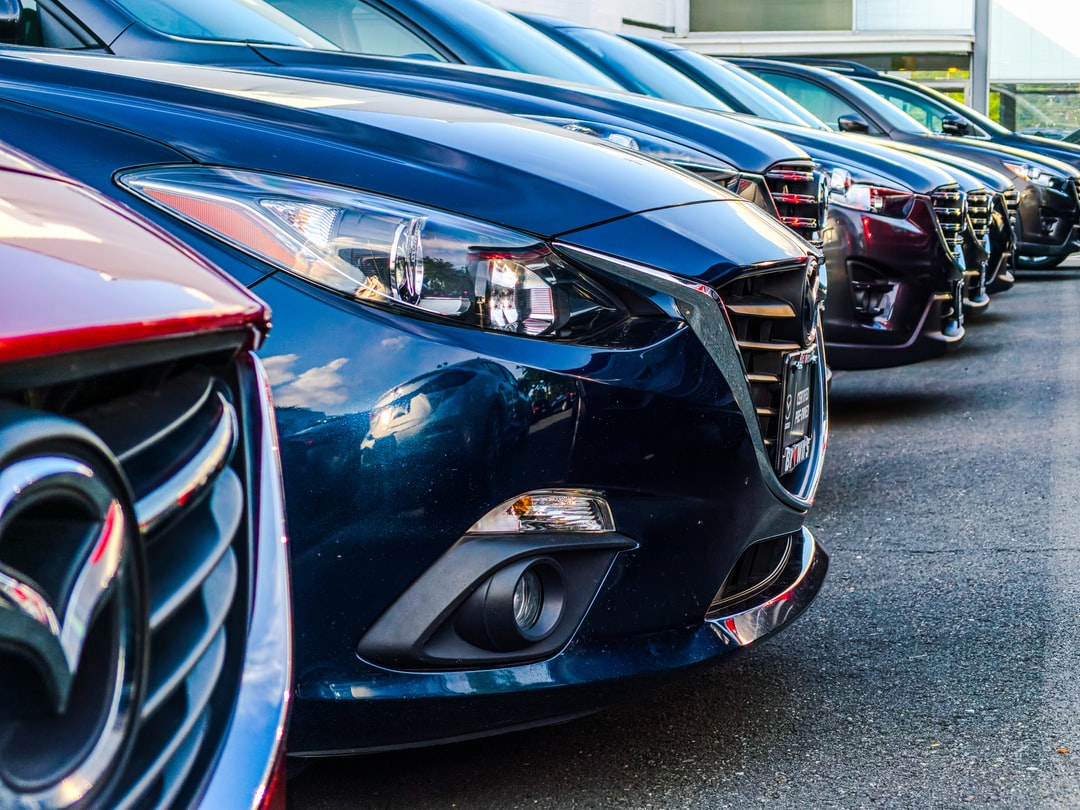
Shopping for a used vehicle comes with plenty of decisions — make, model, mileage, price tag — but one factor that tends to catch buyers off guard is the interest rate attached to their loan. Used car interest rates generally run higher than those on new vehicles. What's more, they can vary quite a bit depending on who's borrowing, what they're buying, and where they're getting their financing.
Several key factors shape what you'll ultimately pay. These include your credit score, the loan term you choose, the age of the vehicle, and the lender's own risk policies. Getting a handle on all of these before you apply puts you in a much stronger position. Whether you're exploring new and used car loans for the first time or looking to refinance an existing balance, know what drives rates and go in prepared.
Why Used Car Interest Rates Differ From New Vehicles
When a lender agrees to finance a vehicle, the car serves as collateral. If the borrower stops making payments, the lender can repossess and sell it to recover the balance. This is where pre-owned vehicles introduce a different kind of risk. A new car fresh off the lot has a known, predictable value. A used vehicle has already depreciated, and its condition, history, and future resale value are less certain.
Lenders apply what's known as risk-based pricing: the more uncertainty surrounding the collateral or the borrower, the higher the interest rate they assign to offset potential losses. Because used cars depreciate faster relative to the outstanding loan balance, lenders build that added exposure directly into the APR they offer. It's not personal — it's simply how lenders protect themselves against the unpredictability of the trade.
The Role Of Your Credit Score In Financing Costs
Your FICO score is arguably the single most important factor lenders consider when setting your interest rate. Think of it as a snapshot of your financial reliability, where the higher the number, the more confidence a lender has in offering you competitive terms.
Borrowers generally fall into two broad categories. Prime borrowers — those with scores of roughly 660 and above — typically qualify for lower APRs because they represent less default risk. Subprime borrowers, with scores below that threshold, tend to receive higher rates because their credit histories indicate a greater likelihood of missed or late payments.
So, is a 7% interest rate high for a used car? In today's market, 7% is considered a competitive rate, and it's typically available only to borrowers with strong credit. The average used car loan interest rate spans a broader range — from roughly 7% to 16% or higher, depending on the borrower's credit tier. Ultimately, even a modest improvement in your credit score before applying can meaningfully reduce your rate and lower the total cost of your loan over time.
How Vehicle Age Influences Your Annual Percentage Rate
It's not just your credit profile that shapes your rate. The vehicle itself matters too. Lenders factor in the car's age and mileage when assessing their risk exposure. Older vehicles with high mileage are statistically more prone to mechanical issues, harder to insure, and more difficult to resell if repossession becomes necessary. Here's what that generally looks like in practice:
- Newer used vehicles (1–3 years old) typically qualify for the most favorable rates, since their market value remains relatively predictable.
- Mid-age vehicles (4–7 years old) may carry slightly higher rates, influenced by mileage and overall condition.
- Older vehicles (8+ years) often come with noticeably higher APRs, and some lenders may decline to finance them altogether.
- High-mileage vehicles are flagged as higher risk regardless of age, which can push rates upward.
- Some lenders cap the vehicle age they'll finance at 7–10 years, meaning older cars may only be available through specialty lenders at less favorable terms.
Understanding where your target vehicle falls in this spectrum helps you anticipate the rate range you're likely to encounter before you ever sit down with a lender.
Navigating The Current Market Rate Trends
What the current used car interest rate looks like is one of the most common questions borrowers are asking right now. After a period of elevated borrowing costs, used car financing rates have remained higher than the historic lows many buyers experienced in prior years. The average used car loan interest rate currently sits somewhere in the 7% to 16% range. Well-qualified borrowers may land on the lower end, while those with challenged credit can see significantly higher offers.
As for whether rates are coming down for used cars, the picture is mixed. As of early 2026, some movement has occurred in response to broader economic conditions, but a dramatic, across-the-board decline has not materialized. Borrowers who approach the process strategically — by improving their credit, choosing newer vehicles, and taking time to compare multiple lenders — tend to come out ahead of those who simply accept the first offer they receive.
Ways To Secure A More Competitive Interest Rate
Getting the best possible rate isn't just about timing — it's about positioning yourself as a low-risk borrower well before you apply. Start by taking a close look at your credit health. Lendward's credit services can help you improve your score through tools like Experian Boost and ongoing credit monitoring, both of which can make a real difference when lenders pull your file.
It's also worth considering your loan term. Shorter terms, typically 36 to 48 months, often come with lower interest rates than longer ones, even if the monthly payments are somewhat higher. When you look at the total interest paid over the life of the loan, the savings can add up fast.
Finally, don't underestimate the value of having someone genuinely in your corner. At Lendward, our account managers don't work on commission, and every one of them brings real lending experience to the table. They'll walk you through your options, help you make sense of the numbers, and stay with you from application through closing. When it comes to used car interest rates, having a knowledgeable guide can make the entire process smoother — and the outcome a lot more favorable.
Ready to take the next step? Contact the Lendward team today and find out what financing options are available for you.
Sources:
https://fred.stlouisfed.org/series/RIELPCFAUNM
https://www.consumerfinance.gov/data-research/consumer-credit-trends/student-loans/borrower-risk-profiles/