20251 SW Acacia Street
Newport Beach, CA 92660

Used Car Loans: How They Work and What to Expect Before You Apply
Nov 6, 2026
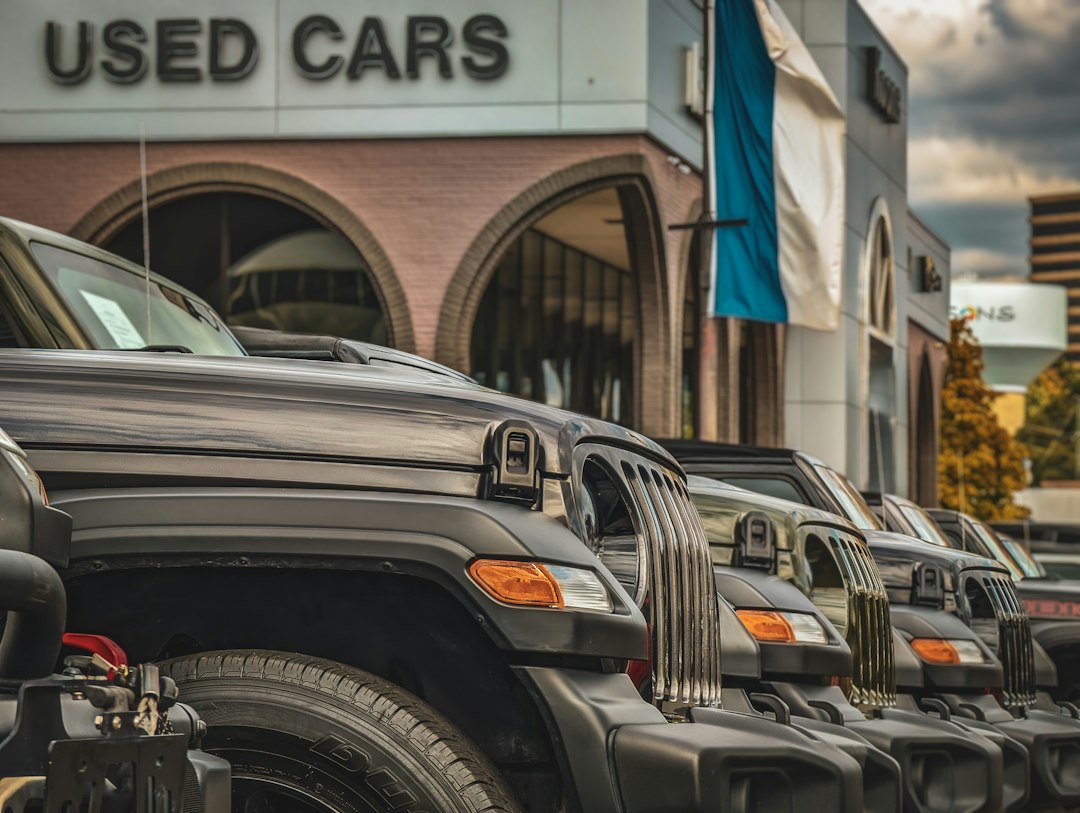
You’ve found a used car at the right price, but the dealership’s financing offer comes in higher than you expected. Lenders typically charge more for a loan for used car purchases because an older vehicle is riskier collateral, so they weigh its age and mileage alongside your credit score. Below, we’ll cover how these loans work and what lenders look for, so you can spot a fair offer.
How a Used Car Loan Works
A used car loan is an installment loan for buying a pre-owned vehicle, with the car itself serving as collateral. Once you’re approved, the lender pays the dealership or seller directly, and you repay the loan in fixed monthly payments over a set term.
Getting a car loan for a used car is common, but it typically costs more than new car financing. In the second quarter of 2026, the average used car loan rate was 11.19%, compared with 6.35% for new vehicles.1 That gap reflects risk. A used car’s condition and resale value are harder to predict, so if a borrower stops making payments, the lender may not recover the full balance by selling the vehicle. Lenders offset that risk with higher rates, and some shorten terms on older models or won’t finance them at all. Our guide to used car interest rates covers current trends.
What Lenders Look at Before Approving You
Lenders don’t set a universal minimum credit score for used car loans, but a higher score improves your chances of approval and lowers the rate you’re offered.2 They also review your income and debt-to-income ratio (DTI). Your FICO score and your loan rate are closely linked, as Experian’s Q2 2026 averages by credit tier show:1
- Super prime (781–850): 6.29%
- Prime (661–780): 8.81%
- Near prime (601–660): 13.93%
- Subprime (501–600): 19.10%
- Deep subprime (300–500): 21.62%
Getting approved for a used auto loan usually isn’t difficult with steady income, and lenders do work with lower scores. Subprime borrowers made up about 20% of used vehicle financing in early 2026, though a lower score typically means a higher rate.3 For more detail, see our breakdown of used car loan rates.
The car gets evaluated, too. Lenders consider its age, mileage, condition, and loan-to-value ratio, which compares the loan amount to the vehicle’s market value. Many national banks cap eligibility at around 10 model years and 125,000 miles, so getting a loan on used car models outside those limits can be harder. Credit unions tend to be more flexible, with some financing vehicles up to 15 or 20 years old.4
Where to Get a Used Car Loan
Auto loans for used cars come from four main sources:
- Banks: Often competitive for borrowers with strong credit, but usually stricter about vehicle age and mileage
- Credit unions: Known for member-friendly rates and looser vehicle requirements, though membership is required
- Online lenders: Fast applications and easy rate comparisons, often with soft-pull prequalification
- Dealership financing: Convenient for buying and financing in one place, though the dealer typically sends your application to about five lenders and presents only one offer5
Neither a dealer nor a bank is automatically better. According to the Consumer Financial Protection Bureau (CFPB), a lender quotes the dealer a “buy rate,” and the dealer can add interest on top as compensation for arranging the loan.5 That’s why dealer rates are negotiable, and why many buyers bring a pre-approval from a bank or credit union to compare against the dealer’s offer.
There’s no single best way to finance a used car. The right lender for you depends on your credit and the car you’re buying, since each lender sets its own rates and vehicle requirements.
If you’re buying from a private seller instead of a dealership, dealer financing isn’t an option, but Lendward offers private party auto loans for these purchases.
Used Car Loan vs. Personal Loan: Which Makes More Sense
For most buyers, a used car loan comes with a lower rate than a personal loan because the car serves as collateral, meaning the lender can repossess it if you stop paying. Most personal loans aren’t backed by collateral, so they’re riskier for lenders. To make up for that, lenders often charge higher rates, offer shorter repayment terms, and require stronger credit.6
A personal loan isn’t tied to the car, so you can use it to buy a vehicle of any age or mileage. That can help borrowers with strong credit who want an older or classic car that auto lenders won’t finance. For a car that meets standard lender requirements, an auto loan will usually cost less.
How to Get a Used Car Loan Step by Step
Getting an auto loan for a used car usually follows this order:
- Check your credit. Review your reports from Experian, Equifax, and TransUnion so you can spot errors before lenders do.
- Set a budget. Plan for the down payment upfront, then add up the monthly loan payment, insurance, and expected maintenance to see what the car will cost you each month.
- Get pre-approved. A pre-approval gives you a clear budget and more negotiating power at the dealership. Rate shopping within a 14- to 45-day window typically counts as a single credit inquiry.5
- Choose the car and review its history. A vehicle history report can reveal past accidents, title issues, or odometer problems.
- Compare offers and read the fine print. Look at the APR, which includes lender fees, plus documentation fees, prepayment penalties, and any add-ons rolled into the loan.5
- Finalize the loan. Sign the paperwork, and the lender will pay the seller.
Tips for Getting the Best Rate on a Used Car Loan
Lenders base your rate largely on factors you can improve before you apply:
- A stronger credit profile: Our guide to building a stronger credit profile before you buy covers the basics. Experian Boost can also add on-time phone, utility, and streaming payments to your Experian credit file.7
- A larger down payment: Borrowing less lowers your loan-to-value ratio, which lenders view favorably.
- A shorter loan term: Shorter terms often carry lower rates and less total interest, though monthly payments are higher.
- Multiple quotes: Rates for the same borrower can vary from one lender to the next.
Whether a used car loan is worth it depends on the total cost of borrowing and how the payment fits your budget. For many people, financing makes a reliable car affordable without draining savings, and if your credit improves later, refinancing a used car loan for a better rate may be an option.
Find Your Used Car Loan Through Lendward
Even when you know how used car loans work, sorting through offers and paperwork on your own can feel overwhelming. At Lendward, you don’t have to handle it alone. You’ll always talk to real people, never chatbots, and your dedicated account manager will walk you through your options and handle the details with you from application to approval.
Our representatives all have prior lending experience and don’t work on commission, so their focus stays on finding a loan that fits your situation. When you’re ready, explore Lendward’s new and used car loans to find an option that fits your budget.
Sources
- Luthi, B. (n.d.). Average Car Loan Interest Rates by Credit Score. https://www.experian.com/blogs/ask-experian/average-car-loan-interest-rates-by-credit-score/
- Luthi, B. (2026b, September 10). The latest used car loan interest rates for 2026. https://www.experian.com/blogs/ask-experian/used-car-loan-rates/
- New Experian Automotive report shows nearly one-third of automotive loan terms are longer than six years. (n.d.). https://www.experianplc.com/newsroom/press-releases/2026/new-experian-automotive-report-shows-nearly-one-third-of-automot
- Can I finance an older car? (n.d.). Kelley Blue Book. https://www.kbb.com/car-advice/can-i-finance-an-older-car
- What are the different ways to buy or finance a car or vehicle? | Consumer Financial Protection Bureau. (2022, November 8). Consumer Financial Protection Bureau. https://www.consumerfinance.gov/ask-cfpb/what-is-the-difference-between-dealer-arranged-and-bank-financing-en-759/
- Maxwell, T. (2023, November 8). Can you use a personal loan to buy a car? Experian. https://www.experian.com/blogs/ask-experian/can-you-use-personal-loan-to-buy-car/
- Stefan Lembo Stolba. (2025b, July 31). What Is Experian Boost®? https://www.experian.com/blogs/ask-experian/what-is-experian-boost/